Maximize Sales With Custom Produce Boxes: Bring in Customers With Unique Designs
In a competitive market, companies increasingly understand the significance of personalized packaging solutions. Distinctive creations not only capture attention but also enhance corporate image. By leveraging bold hues and innovative graphics, companies can engage with customers on an psychological level. This tactical method can lead to greater purchase intent and customer commitment. However, the impact of these creations can differ significantly. What elements truly affect the impact of personalized boxes on sales?
Custom Produce Boxes: Essential for Business Success
Custom produce boxes are essential for companies aiming to enhance their branding and client satisfaction. These boxes serve as a physical depiction of a firm's identity, assisting in distinguish products in a competitive market. By adding distinctive colors and designs, businesses can capture attention and make a memorable impact.
Moreover, personalized boxes supply functional benefits, ensuring that produce remains fresh and protected during delivery. Adjusting the size and shape to specific products helps minimize waste and optimize storage. Furthermore, expertly designed packaging can communicate vital data, such as handling instructions and nutritional details, fostering customer trust and satisfaction.
Custom produce boxes' artistic appeal can additionally encourage repeat purchases, because customers often associate attractive packaging with quality. Ultimately, investing in custom packaging not only reinforces brand image but also augments the overall shopping experience, making it a essential aspect of business strategy in the competitive produce market.
Determining the Correct Options for Your Produce Boxes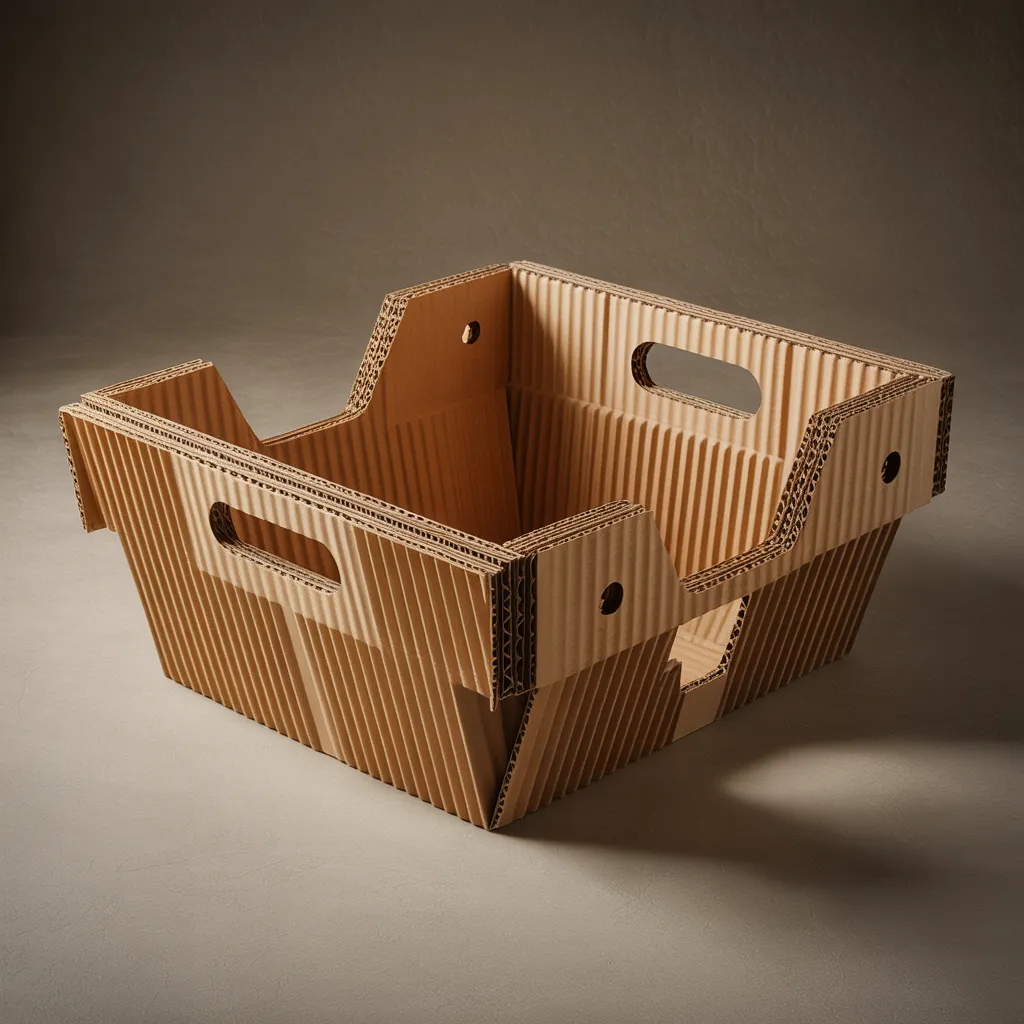
Determining the ideal substances for shipping containers is necessary for guaranteeing merchandise protection and ecological responsibility. Long-lasting materials like corrugated cardboard are standard options due to their resilience and minimal weight attributes, which help protect fresh produce during transport. Additionally, compostable solutions such as recycled paper or bio-based materials appeal to environmentally conscious consumers, enhancing brand image.
The selection of substances can also impact the box's thermal properties, vital for preserving ideal heat and quality. Ventilation is another element; perforated boxes can assist in reducing moisture accumulation, preventing spoilage.
Additionally, the print capabilities of various materials should be considered, as personalized designs can draw customers. Ultimately, a balance between functionality, environmental responsibility, and visual attractiveness will affect the success of produce boxes in capturing consumer interest. By thoughtfully choosing materials, businesses can guarantee their products remain fresh while complying with eco-friendly practices.
Leading Design Advice for Crafting Visually Appealing Produce Boxes
In the realm of custom produce box design, understanding chromatic theory can significantly improve aesthetic quality and customer interaction. Additionally, employing innovative typography techniques can successfully convey brand identity and product information. Combined, these components create a captivating design that attracts attention and drives sales.
Color Psychology Key Insights
Color psychology functions as a key element in creating visually appealing produce boxes that successfully draw consumers. Varied colors evoke distinct emotions and associations, affecting purchasing decisions. For example, vibrant reds and yellows can boost appetite and grab attention, making them suitable for fresh produce. The color green, often connected with health and nature, reinforces the organic qualities of fruits and vegetables. In contrast, blues and purples can express trust and quality, drawing to more discerning shoppers. Using contrasting colors can enhance visibility, making certain the boxes become prominent on shelves. Moreover, grasping cultural interpretations of color is vital, as meanings can differ significantly. By strategically choosing colors, brands can produce compelling packaging that connects with consumers and drives sales.
Cutting-Edge Typography Practices
Effective font usage can greatly improve the visual appeal of produce boxes, while balancing the strategic use of color. By selecting fonts that showcase the brand's personality, designers are able to create a strong identity. For instance, playful, rounded typefaces may attract a younger audience, whereas elegant serif fonts can appeal to a more sophisticated demographic. Furthermore, varying font sizes and weights can create a hierarchy, guiding customers' eyes to key information. Including custom lettering or hand-drawn elements adds uniqueness, making the packaging memorable. Using negative space detailed guide carefully lets typography breathe, improving legibility and overall visual appeal. Ultimately, verifying that text contrasts well against background colors ensures readability, boosting the product's marketability and pulling in potential buyers.
Why Will Creative Layouts Seize Patron Attention?
How do unique designs effectively draw customers? Unique designs win customer attention by building a distinct visual presence that distinguishes itself in a congested market. When produce boxes display visually striking imagery, vibrant hues, or creative forms, they provoke curiosity and encourage potential buyers to investigate further. This visual appeal not only adds to the aesthetic value but also shares the brand's personality and values.
Furthermore, distinctive designs evoke feelings, rendering the items feel more relatable and attractive. Customers often link attractive packaging with quality and freshness, which can influence their buying decisions. Furthermore, memorable compositions are more probable to be shared on social media, increasing company exposure and drawing in new clients. In the end, the power of unique creations lies in their capacity to create an instant connection, turning items not just goods to purchase, but engaging narratives waiting to be uncovered.
Ways to Present Your Company Story Using Custom Produce Boxes
Developing a memorable corporate narrative by employing custom produce boxes permits enterprises to touch audiences at a deeper scale. Any box functions as a backdrop for narrative creation, revealing the organization's ethics, strategic direction, and emphasis on excellence. Color schemes, illustrations, and lettering may convey the organization's identity, producing an heartfelt response among end consumers.
Embedding sustainable materials can emphasize a company's commitment to environmental responsibility, appealing to eco-conscious consumers. Moreover, including narratives about local sourcing or sustainable farming practices can foster a sense of community and authenticity.
Interactive components, such as QR codes, can enhance customer interaction by directing customers toward videos or content that elaborates upon the brand's story. By leveraging these design strategies, businesses can clearly communicate their unique identity and forge meaningful relationships with consumers, ultimately deepening customer loyalty and maximizing revenue.
Case Studies: Winning Brands Employing Custom Produce Boxes
Multiple firms have successfully utilized custom produce boxes to reinforce their market presence through creative design strategies. By leveraging visual components that share their distinctive company narratives, these companies have crafted memorable consumer experiences. This section will review specific examples that demonstrate the impact of these methods on brand identity and customer engagement.
Innovative Wrapping Strategies
As customer preferences align with green and practical solutions, businesses are actively embracing cutting-edge packaging innovations to enhance market differentiation. One significant case is a direct-to-consumer produce company that adopts sustainable specialized containers, powerfully connecting with sustainability-focused buyers. Their containers not only preserves product integrity but also embodies a commitment to ecological responsibility. Another corporation has embedded QR codes on their packaging units, enabling patrons to retrieve meal ideas and health data, thereby elevating customer satisfaction. Additionally, a local organic farm has established circular containers, prompting customers to return containers for incentive rewards, promoting engagement and reducing environmental footprint. These frameworks highlight how intelligent packaging innovation can produce increased sales and establish meaningful customer connections in a competitive landscape.
Brand Narrative Through Design
Custom produce boxes serve as a influential channel for brands to express their signature tales through deliberate aesthetics. Successful brands like Farm Fresh and GreenLeaf Organics have leveraged custom packaging to demonstrate their commitment to sustainability and local sourcing. Farm Fresh's boxes showcase vibrant illustrations of local farms, building a connection with community and agriculture. In contrast, GreenLeaf Organics underscores eco-friendliness with minimalist designs and recycled materials, drawing environmentally conscious consumers. These design choices not only capture attention but also strengthen the brand's principles and goals. By integrating storytelling elements into packaging, these companies effectively engage customers, creating unforgettable moments that strengthen customer commitment and grow earnings. Custom produce boxes, consequently, stand as crucial instruments in modern marketing strategies.
Assessing Custom Produce Boxes Impact on Revenue
Several factors affect revenue outcomes, and the introduction of personalized fruit and vegetable packaging has surfaced as a significant catalyst for numerous companies. These boxes not just improve product visibility but also establish an emotional connection with consumers, often leading to higher purchase intent. Measurements such as sales volume, customer retention rates, and market share can be utilized to assess the effect of customized designs.
Enterprises often conduct A/B testing, comparing traditional packaging with custom designs to measure differences in sales. Surveys and customer feedback also offer insights into consumer preferences, uncovering how packaging shapes buying decisions. Additionally, monitoring online engagement through social media and website analytics can deliver a clearer picture of how custom produce boxes resonate with target audiences.
In the final analysis, assessing the effect of custom produce boxes requires a layered approach that blends both numerical and qualitative data, permitting enterprises to strengthen their strategies for greatest results.
Frequently Requested Questions
How Do I Determine the Right Box Size for My Produce?
To identify the right box size for produce, one should assess the dimensions of the items, evaluate their weight, and account for airflow. Proper sizing guarantees product protection and optimal presentation for customers.
Is it Possible to Buy Custom Produce Boxes in Small Quantities?
Yes, numerous distributors extend the possibility to request bespoke vegetable containers in small quantities. This adaptability supports organizations with changing needs, facilitating them to experiment with designs or control inventory without agreeing to extensive purchases.
How Long Defines the Common Processing Time for Personalized Box Orders?
The standard processing period for custom box orders differs, typically ranging from two to four weeks. Elements such as complexity of design, volume, and manufacturing capacity can affect the precise length of the procedure.
Do sustainable solutions available for custom produce boxes?
Yes, there are eco-friendly alternatives for custom produce boxes. Many manufacturers offer biodegradable, recycled materials and green practices, permitting businesses to minimize their environmental impact while maintaining quality and aesthetics in their packaging solutions.
What Ways Can I Utilize to Add My Logo Into the Box Design?
Integrating a symbol into container design can be completed via multiple approaches, like direct-to-box printing, embossing, or placing adhesive labels. Intentional positioning strengthens brand awareness while retaining an visually attractive design.